When's The Best Time For Overseeding?
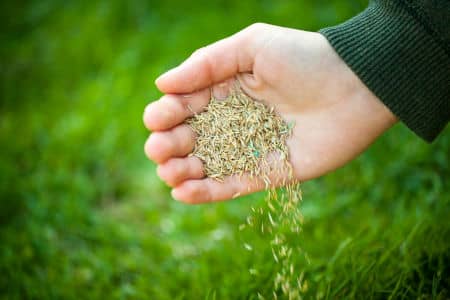
Overseeding is an easy but effective way to improve any lawn's health and appearance. A thick, filled-out lawn not only looks great, but the dense, healthy grass growth makes your lawn naturally more resistant to weeds, disease, and other environmental stressors. Whether you're trying to fill out a thin, patchy lawn or just want to make sure that your lawn continues looking fresh throughout the cold winter months, overseeding your lawn once a year can produce some great outcomes. The question is, when should you overseed your lawn?
Preparing Your Lawn For Successful Overseeding
Timing is important when it comes to overseeding, but preparation plays an equally critical role in achieving strong results. Even the highest-quality seed will struggle to establish if the lawn is not properly prepared beforehand. Before overseeding, it is essential to reduce excess thatch, loosen compacted soil, and ensure the existing grass is trimmed to the appropriate height. This creates better seed-to-soil contact, which significantly improves germination rates.
Watering practices also matter, leading up to and immediately after overseeding. Soil should be slightly moist at the time of seeding, and newly planted areas need consistent moisture during the germination period. Allowing the soil to dry out too much or watering too heavily can both interfere with healthy seed development. A balanced watering schedule helps young grass establish roots without washing seed away or creating uneven growth.
Fertilization can further support successful overseeding when applied correctly. Starter fertilizers provide essential nutrients that promote early root development and steady growth. However, applying the wrong products or too much fertilizer at the wrong time can stress young grass or encourage weed growth. This is another area where experience makes a noticeable difference.
By properly preparing your lawn before overseeding, you give new grass the best possible chance to take hold and thrive. When overseeding is paired with aeration, thoughtful preparation, and correct aftercare, the result is a thicker, healthier lawn that performs better through changing seasons.
Know Your Lawn Before You Seed
The best time of year to seed your lawn comes down to whether or not you have cold-season grass or warm-season grass. While it's not unheard of for warm-season grasses like Bermuda grass and St. Augustine grass to grow here in Ohio, cold-season grasses tend to fare better here. Thus, our recommendations are based on the best seeding times for cold-season grasses. Some of the most popular cold-season lawns here in Central Ohio include:
- Kentucky Bluegrass: Kentucky bluegrass is a winter-hardy grass that's popular for its deep green color. However, the seeds can take much longer to germinate than most grass types, as much as 30 days. While Kentucky bluegrass can handle the cold, the seeds need to have been germinated and established before winter weather kicks into high gear. If you have this type of grass, we strongly recommend overseeding early in the season.
- Perennial Ryegrass: On the opposite end of the spectrum, ryegrass seeds can germinate within as little as 5 days, which is why ryegrass seeds are often mixed in with bluegrass seeds to ensure optimum coverage. Ryegrass is paler than bluegrass, but it's very hardy and resistant to heat, cold, and drought.
- Fine Fescue: Fine fescue is also a quick-growing grass, typically germinating within a week's time. Fine fescue is a bunching grass that prefers cool, dry soil, so it's a good option to plant if your lawn has a lot of shade.
- Tall Fescue: Tall fescue takes a little longer to germinate than fine fescue (typically 1-2 weeks), but it's extremely hardy and highly tolerant of heat and drought, even as a cold-weather grass. It's also a fast grower, making it a great option for lawns that get a lot of foot traffic or general wear and tear. The downside of it being a fast grower, however, is that it may mean that you need to mow more often!
When To Overseed With Cold-Season Grasses?
If yours is a cold-season lawn, the absolutely best time of year for overseeding is the fall. In Central Ohio, September through mid-October is the ideal time to do it, but you can technically start as early as late August or as late as the end of October, though that does depend on the weather (and in the case of super slow-growers like Kentucky bluegrass, we definitely don't recommend waiting until the last minute). The idea is to try to give your seeds at least 2-3 months to get established and form healthy roots before the winter weather stops their growth. Ideally, you want soil temperatures to be somewhere between 50-65 F when you plant your cold-weather seeds.
Some recommend the early springtime as an alternative overseeding season in case you missed doing it in the fall. While you could overseed in the early spring if there's no way you can get to it beforehand, it's a bit riskier. Overseeding is often done in tandem with aeration, and that newly loosened, freshly oxygenated soil is fertile ground for weeds to take root as well, especially as the temperatures start warming up. If you do choose to seed your grass in the spring, get to it early in the season as soon as the soil temperature is above 50 F. As with seeding in the winter, you want your seeds to have a couple of months to get established before they have to endure the summer heat.
What If You Have a Warm-Season Lawn?
If your lawn is made up of warm-season grasses, the overseeding timeline looks a bit different. Warm-season grasses grow most actively when temperatures are consistently warm, which means late spring is typically the ideal time to overseed. Waiting until soil temperatures rise allows new seeds to germinate more effectively and gives young grass the best chance to establish strong roots during its peak growing season.
That said, many Ohio homeowners with warm-season lawns choose a different approach. Because warm-season grasses go dormant and lose color during the colder months, some homeowners overseed in the fall using cold-season grass varieties. This practice helps maintain a greener, more attractive lawn throughout the winter and early spring, even while the warm-season grass is temporarily dormant beneath the surface.
This type of overseeding creates a fuller, more consistent lawn appearance during the off-season without harming the underlying warm-season turf. Once warmer weather returns, the warm-season grass naturally resumes growth and begins to take over again. Choosing the right overseeding strategy depends on your goals, grass type, and desired appearance, and our team can help you decide which approach makes the most sense for your lawn.
Bring In the Seeding and Aeration Pros
As Hilliard's premier lawn care experts, we here at Buckeye Turf know the ins and outs of properly seeding a lawn for optimum growth. We also know that overseeding and aeration go hand-in-hand, since aeration prepares the soil for quick, healthy, and sustainable seed germination and root growth. As the summer slowly starts to turn into fall, it's time to start planning on prepping your lawn for the cold winter months with aeration & overseeding. If you'd like our lawn care experts to seed your lawn, we'd be glad to be of service!
Need professional aeration & overseeding services in Hilliard? Call Buckeye Turf today and get a free estimate at 614-502-5757.
Call Us
Connect With Us
Leave a Review

Upgrade Your Lawn, We’ll Handle the Rest. Contact Our Lawn Care Experts In Hilliard Today!