Nutsedge in Ohio Lawns: Why It Spreads and How to Get Rid of It
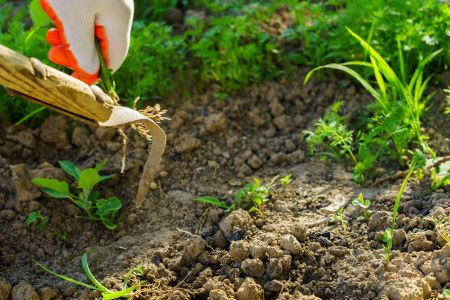
Nutsedge can take over a lawn fast, especially in Central Ohio summers. If you are fighting shiny, bright-green shoots that grow taller than your turf between mows, you are likely looking at yellow nutsedge. Homeowners ask us every week about nutsedge control in Columbus, OH because this sedge seems to shrug off regular weed strategies. If you are ready to stop the spread and bring back uniform color and texture, see how our weed control program addresses nutsedge at the source.
This guide explains why nutsedge shows up in Columbus yards, what makes it different from regular grass weeds, and the proven approach professionals use to remove it. You will also learn what to expect from treatment and how to protect your lawn after the sedge is under control.
What Is Nutsedge In Ohio Lawns?
Nutsedge is not a grass. It is a sedge, which means its stems are triangular instead of round. The leaves are waxy and a brighter green than most cool-season grasses used in the Columbus area. In our region, the most common species is yellow nutsedge. It loves warm soil, long daylight, and consistent moisture. That combination is common here from late spring into mid-summer, which is why you often see fresh patches appear after a rainy week.
Another key difference is below the surface. Nutsedge produces underground storage structures called nutlets and runs called rhizomes. These nutlets can remain dormant through winter and send up new shoots the following year. Even if the top growth is removed, the plant often rebounds because those underground pieces are still alive.
Why Nutsedge Thrives In Columbus Yards
Columbus soils lean heavily on clay, so water tends to sit in low spots after spring storms. Irrigation overspray along sidewalks and driveways creates small wet zones. Both conditions are perfect for yellow nutsedge. We see it frequently in neighborhoods like Clintonville, Worthington, Hilliard, Dublin, German Village, Bexley, Westerville, Gahanna, and Upper Arlington, especially in areas with poor drainage or compacted soil.
- Low areas where puddles linger after rain or watering
- Edges near downspouts and sump pump discharge points
- Strips along sidewalks or curbs that get extra runoff
- Recently disturbed soil from landscaping or hardscape projects
Once established, nutsedge spreads quickly because each plant can create more rhizomes and nutlets. Warm, wet weeks speed up growth, and the patch can double before you notice.
Why Mowing Doesn’t Help
Mowing is great for healthy turf, but it barely slows sedges. Nutsedge leaves grow faster than cool-season grasses, so it pops back up to full height within a couple of days. Cutting it short only removes the top growth and encourages the plant to push harder from its underground reserves. That is why a lawn can look clean on Saturday and show a fresh cluster of bright, shiny blades by Tuesday.
Do not pull yellow nutsedge by hand if you can help it. Tugging usually snaps the shoot above the tiny nutlet. The piece you leave behind can regrow, and the disturbance can even stimulate more sprouting. Effective removal targets the sedge while protecting your desirable grass and soil.
Nutsedge Control In Columbus, OH: What Works
Because nutsedge is a sedge and not a grass, general broadleaf weed products are not designed for it. Pros use sedge-selective treatments that move through the plant and impact its underground parts. The most reliable results come from a planned series of applications timed to the sedge growth cycle. This approach limits top regrowth and helps reduce the energy stored in rhizomes and nutlets.
Licensed technicians also focus on the conditions that let nutsedge win in the first place. They evaluate drainage, watering schedules, and turf density. Correcting soggy zones and strengthening healthy grass gives the lawn a lasting edge. When you work with Buckeye Turf, your technician will map out the hot spots, treat the active plants, and set expectations for follow-up so you know exactly what is happening and why.
Local insight: In Columbus, heavy June rainfall followed by warm, sunny days often triggers a surge of yellow nutsedge. Check areas near downspouts and low spots after big storms. Early detection lets a pro spot-treat before patches multiply, which can save additional re-treatments later.
How Professionals Remove Yellow Nutsedge
Removal is not a one-and-done event. The underground nutlets are the reason. A professional program targets the visible plants first, then follows up as new shoots try to emerge. With every well-timed visit, the sedge’s energy drops and the patch thins out until the lawn takes back the space.
- Inspection to confirm it is yellow nutsedge and identify all affected zones
- Sedge-selective treatments that spare your cool-season turf
- Strategic follow-ups during peak growth to reduce new sprouts
- Guidance on watering and drainage so conditions stop favoring sedge
If your lawn has had nutsedge for several seasons, the technician may recommend a season-long plan. That is normal for established patches with a large bank of nutlets in the soil.
Best Timing For Effective Nutsedge Control In Central Ohio
Timing matters in Columbus. Treatments work best when nutsedge is actively growing and before it has produced a new round of mature nutlets. In Central Ohio, that window generally runs from late spring through summer. Follow-up visits are usually spaced to intercept new sprouts as they appear. This rhythm lowers the chance that fresh nutlets will harden and carry the problem into next year.
Weather can shift timing slightly. After an unusually wet week, a professional may adjust the schedule to keep pressure on the sedge during its fastest growth. The goal is steady, targeted control without unnecessary stress on your desirable grass.
What To Expect When You Hire A Lawn Care Pro
Good communication is part of good results. Your technician will explain where nutsedge is showing up, how big the patch is, and the plan to get ahead of it. You will know why certain areas need attention first and how long it should take before you see fewer new shoots. Expect updates after visits and practical advice about watering and mowing so the lawn can recover and fill in.
When you are comparing options, look for a company that focuses on sedge-specific control, teaches you what they are doing, and stands behind their work. Our team at Buckeye Turf is local, so we know how Columbus summers affect sedges. We design a plan that fits your property and soil conditions rather than using a one-size-fits-all schedule.
Signs It’s Nutsedge, Not Grass
Before starting control, it helps to be sure the plant is nutsedge. Here are telltale signs you or your technician will look for during inspection:
- Shiny, light-green leaves that stand up above the rest of the lawn
- Triangular stem that feels three-sided when gently rolled between fingers
- Faster growth than surrounding turf between mowings
- Clusters that start or thicken in wet, compacted, or recently disturbed soil
These clues separate nutsedge from weedy grasses that spread differently and need different products. Accurate ID prevents wasted effort and gets you on a path that works.
After Treatment: Protecting Your Lawn From A Comeback
Once nutsedge is under control, the focus shifts to keeping the lawn competitive. Strong turf shades the soil and leaves less room for sedges to return. Your technician may suggest adjustments to watering so the top few inches of soil can dry between cycles. They may also point out a few small grading or drainage fixes that stop water from sitting in low spots after storms.
Avoid scalping or mowing too short during summer heat. Taller, healthy turf is better at blocking light from reaching new sedge sprouts. Steady, appropriate mowing and watering support the treatment program and help your grass close thin areas faster.
Columbus Weather, Clay Soil, And Drainage
Central Ohio lawns ride a yearly roller coaster. Cool, wet springs feed early growth, then heat builds through July and August. Clay-heavy soils common across Franklin County hold water at the surface, which is why nutsedge often shows first in the same damp zones each year. That is also why two neighbors can have different levels of nutsedge even if their homes are on the same street. Small differences in grading, downspout placement, and foot traffic can tip the balance.
If you are unsure whether a spot is staying too wet, watch it after the next thunderstorm. If water lingers there while the rest of the yard dries, mention it during your service visit. Small changes can make a big difference in whether nutsedge finds a foothold again.
Why Professional Help Beats Quick Fixes
There is a reason nutsedge is one of the most searched lawn issues in Columbus each summer. It looks simple because it resembles grass, but it behaves differently. Quick fixes that work for broadleaf weeds fall short on sedges. Pros use products labeled for sedges, watch the timing, and follow up so the underground system runs out of steam. That consistent pressure is what finally turns the corner.
If you want a clear, stepwise plan that focuses on results, our team can help. Read how our professional nutsedge treatments fit into a complete lawn program that also prevents common broadleaf weeds without stressing your turf.
When you are ready to talk it through with someone local, reach out to our local lawn care team. We serve homeowners across the Columbus metro and nearby suburbs with programs tailored to soil and weather right here at home. You can also call 614-502-5757 to connect with a technician who knows what nutsedge looks like in your neighborhood.
Take Back Your Lawn With Professional Nutsedge Control In Columbus
For fast, reliable nutsedge control in Columbus OH, contact Buckeye Turf today. A short visit is all it takes to confirm what is growing, map the affected areas, and start a plan that actually reduces the underground nutlets. With the right strategy, you can stop the cycle of bright-green spikes and enjoy a consistent, healthy lawn again.
If nutsedge is spreading in your yard, learn how a targeted program works by exploring our approach to weed control. Or call now at 614-502-5757 to schedule your first visit with a local specialist who understands Central Ohio lawns.
Call Us
Connect With Us
Leave a Review

Upgrade Your Lawn, We’ll Handle the Rest. Contact Our Lawn Care Experts In Hilliard Today!